Logo
Bảo hiểm tiền gửi Việt Nam
Deposit Insurance of Vietnam
  • Giới thiệu
    • Thông điệp của Chủ tịch Hội đồng quản trị Bảo hiểm tiền gửi Việt Nam
    • Tổng quan về BHTGVN
    • Chức năng, quyền và nghĩa vụ của Bảo hiểm tiền gửi Việt Nam
    • Cơ cấu tổ chức
      • Ban lãnh đạo qua các thời kỳ
      • Ban lãnh đạo hiện nay
      • Sơ đồ tổ chức
      • Mạng lưới BHTGVN
  • Dành cho người gửi tiền
    • Quyền và nghĩa vụ của người được bảo hiểm tiền gửi
    • Mẫu chứng nhận tham gia bảo hiểm tiền gửi
    • Danh sách tổ chức tham gia BHTG
    • Thủ tục trả tiền bảo hiểm
  • Dành cho tổ chức tham gia BHTG
    • Biểu tượng tham gia bảo hiểm tiền gửi (Bản điện tử)
    • Thủ tục tham gia bảo hiểm tiền gửi
    • Quyền và nghĩa vụ của tổ chức tham gia bảo hiểm tiền gửi
    • Hệ thống quản lý thu thập thông tin (ICM)
  • Thư viện
    • Video
    • Văn bản
      • Văn bản pháp luật về BHTG
      • Văn bản liên quan
      • Văn bản do BHTGVN ban hành
  • Thông tin báo chí
  • Ấn phẩm
    • Bản tin bảo hiểm tiền gửi
    • Báo cáo thường niên
    • Ấn phẩm khác
  • Liên hệ
icon home Trang Chủ icon arrow Knowledge & Expertise

Commercial banks still hesitant to reduce interest rates for old debts

Thứ 2 , 23/07/2012
No one can say for sure that commercial banks will accept the loan interest rate of 15 percent per annum to be applied for the old debts, even though this is the instruction given by the State Bank of Vietnam (SBV).

The central bank has instructed commercial banks to apply the interest rates of no more than 15 percent per annum to the loans, which were signed before between banks and clients at high interest rates. The interest rate reduction must be completed prior to July 15.

Waiting in doubt

The decision has been made by the central bank in an effort to rescue Vietnamese businesses, which have got exhausted because of overly high interest rates and big inventories. However, businesses still have doubts about the feasibility of the decision.

A businessperson said commercial banks would not accept to lower interest rates unconditionally. Meanwhile, not all businesses can satisfy the requirements set by the banks in order to be able to enjoy the low interest rates.

There is an immutable principle that banks have to follow that they would not accept to ease the interest rates of the loans provided before to the enterprises which have overdue debts, or have “problematic” mortgaged assets.

In order to reduce the old loans’ interest rates to below 15 percent per annum, banks would have to cut down their expenses (operation costs, capital costs) and increase the income from non-credit activities.

Besides, there is another important reason which may make the interest rate reduction impossible. However, no bank would dare to complain about this. Commercial banks lent at high interest rates in the past, because they had to mobilise capital at high costs. However, they have been forced to slash the interest rates for the previous loans, which means that they would incur loss because they bought high and now sell cheap. Who would compensate their losses?

 Regarding the complaints by some businesses that the new interest rate would still be inaccessible for them, Son said the businesses would get indirect benefits. Once a business can enjoy low interest rates, it would be able to make products at lower production costs, thus benefiting the satellite companies and their partners as well.

Interest rate reductions will not help much

Both bankers and the business circle think that interest rate is no more the biggest problem for enterprises. A lot of banks are ready to provide loans at low interest rates, but businesses dare not borrow money, unless they can be sure that they can sell products.

Meanwhile, Bui Kien Thanh, a well known economist, has commented though this is a good idea to slash interest rates for the old debts, everything would still depend on commercial banks.

 

Các tin khác

Strengthening the role of deposit insurers in protecting financial consumers

Financial consumer protection is one of the important tools to increase people's access...

Changes in the role of deposit insurers in resolution of failed credit institutions and resolution tools after 2008 financial crisis

Deposit insurers (DIs) have often been established following financial and banking crises...

TIN ĐỌC NHIỀU
  • Tiền gửi dân cư tiếp tục tăng
  • Chi nhánh Bảo hiểm tiền gửi Việt Nam tại thành phố Hồ Chí Minh phổ biến Luật Bảo hiểm tiền gửi năm 2025 đến tổ chức tham gia bảo hiểm tiền gửi
  • Công đoàn Bảo hiểm tiền gửi Việt Nam trao tặng công trình xóa nhà tạm, nhà dột nát tại tỉnh Bắc Ninh
  • Ngân hàng thông minh trong kỷ nguyên dữ liệu và AI
  • Ngân hàng Nhà nước triển khai chương trình tín dụng ưu đãi hướng tới các động lực tăng trưởng kinh tế và doanh nghiệp nhỏ và vừa
  • Chi nhánh Bảo hiểm tiền gửi Việt Nam tại TP. Đà Nẵng tham gia Hội thao ngành Ngân hàng Khu vực 8 – địa bàn Quảng Trị 2
  • Thủ tục nhận tiền bảo hiểm: Những điều người gửi tiền cần biết
  • Bảo hiểm tiền gửi Việt Nam và Tổng công ty Bảo hiểm tiền gửi Indonesia tăng cường hợp tác, chia sẻ kinh nghiệm nghiệp vụ
  • Chi nhánh Bảo hiểm tiền gửi Việt Nam khu vực Bắc Trung Bộ tuyên truyền chính sách, pháp luật về bảo hiểm tiền gửi tại xã Con Cuông, tỉnh Nghệ An
  • Chi nhánh Bảo hiểm tiền gửi Việt Nam khu vực Tây Bắc Bộ tham dự Hội nghị sơ kết hoạt động quỹ tín dụng nhân dân
Quản lý ấn phẩm
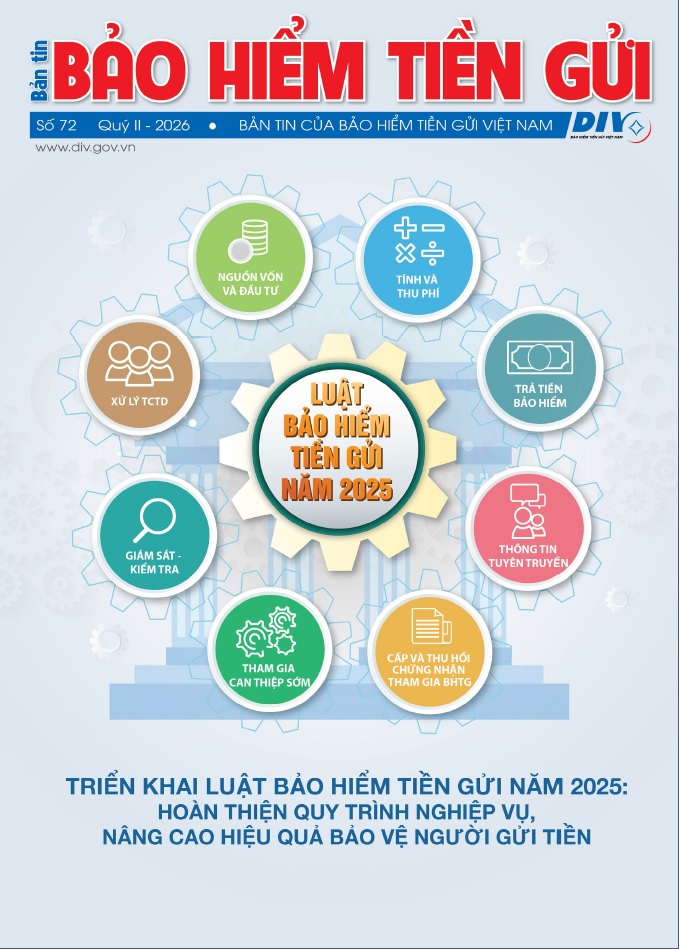
Bản tin Bảo hiểm tiền gửi số 72 Quý II năm 2026
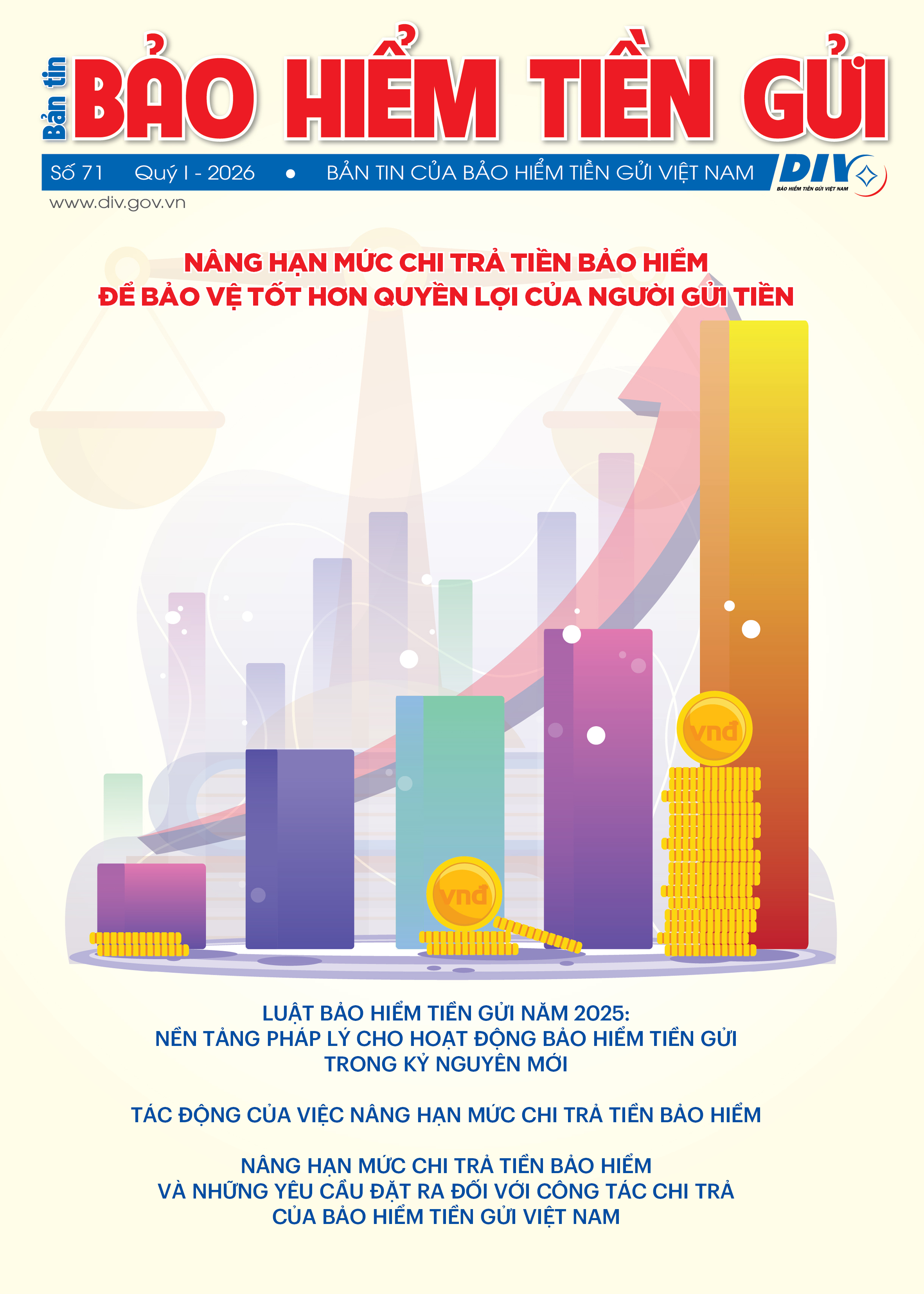
Bản tin Bảo hiểm tiền gửi số 71 Quý I năm 2026
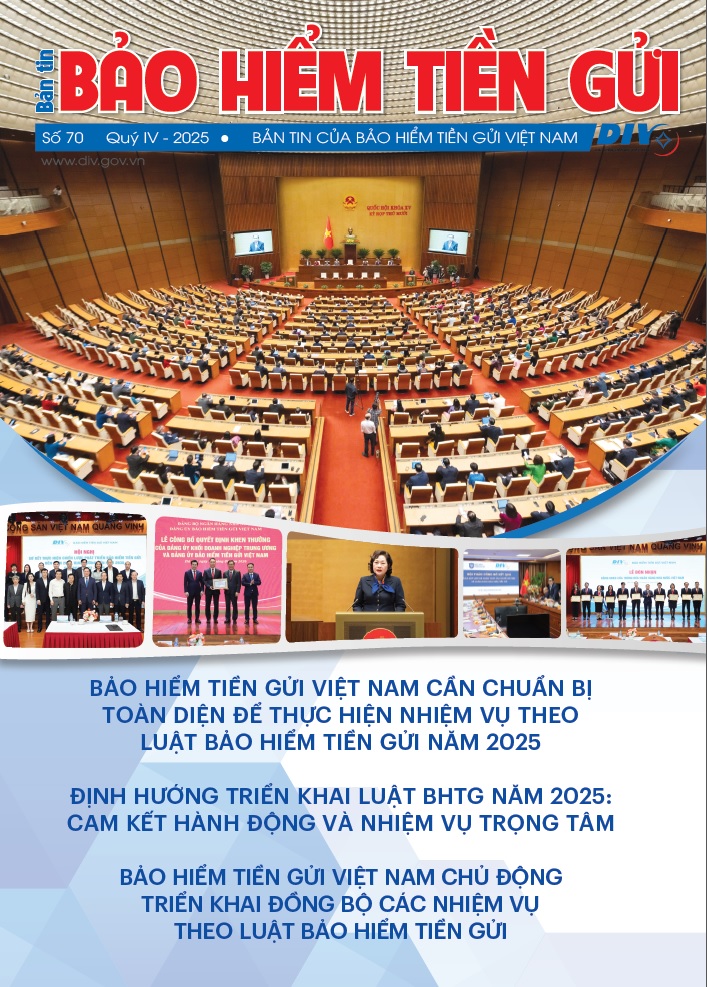
	Bản tin Bảo hiểm tiền gửi số 70 Quý IV năm 2025
Bản tin Bảo hiểm tiền gửi số 69 Quý III năm 2025
Annual Report 2024
Bản tin Bảo hiểm tiền gửi số 68 Quý II năm 2025
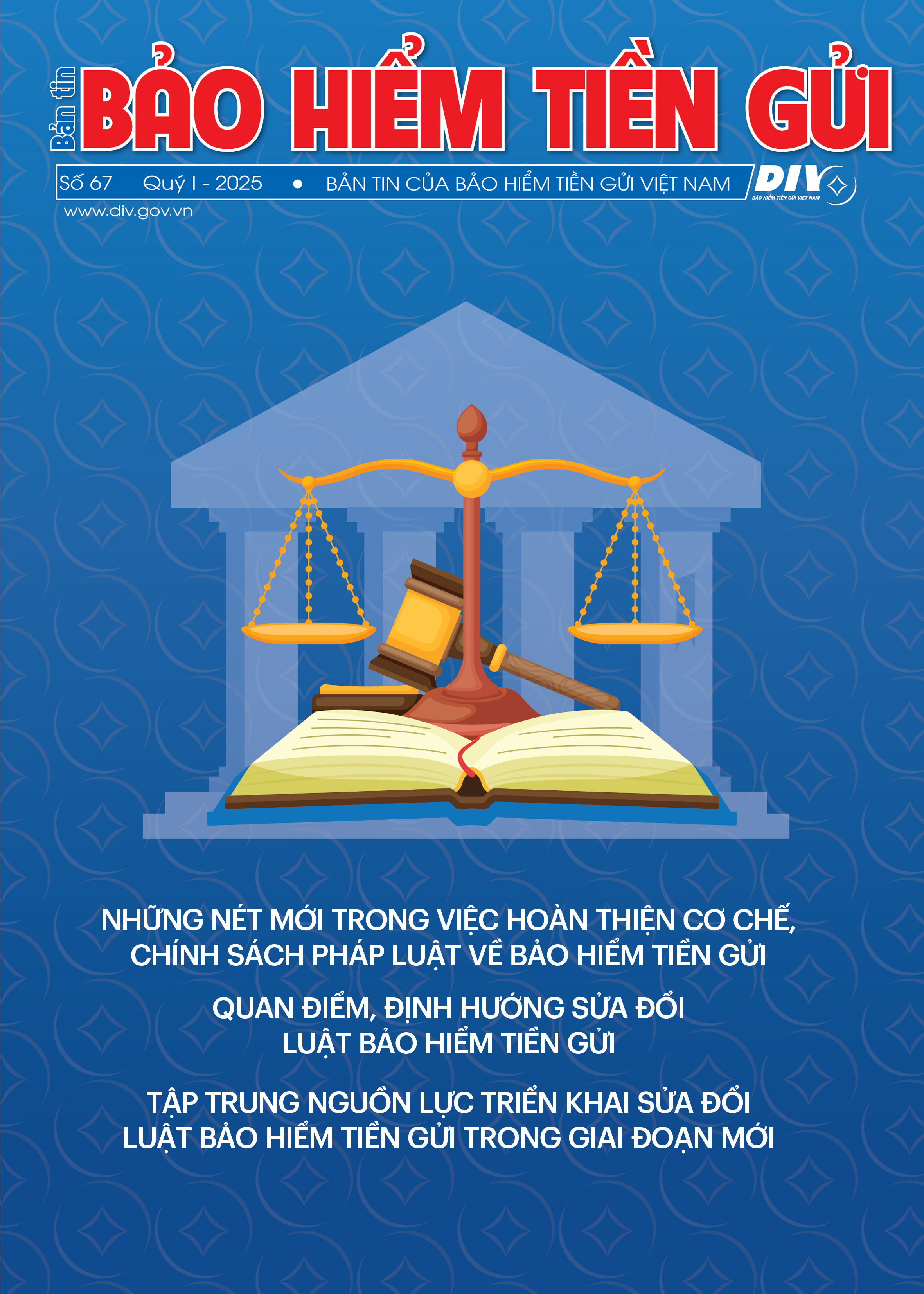
Bản tin Bảo hiểm tiền gửi số 67 Quý I năm 2025
	Bản tin Bảo hiểm tiền gửi số 66 Quý IV năm 2024
Bản tin Bảo hiểm tiền gửi số 65 Quý III năm 2024
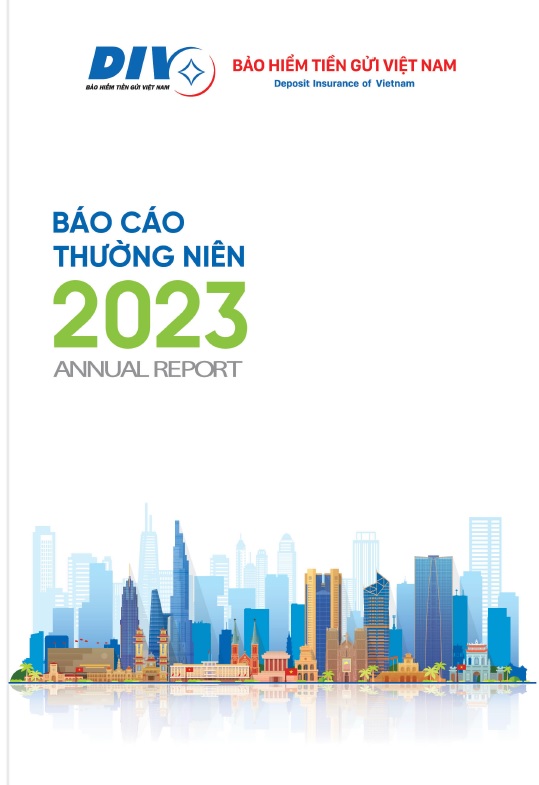
Annual Report 2023
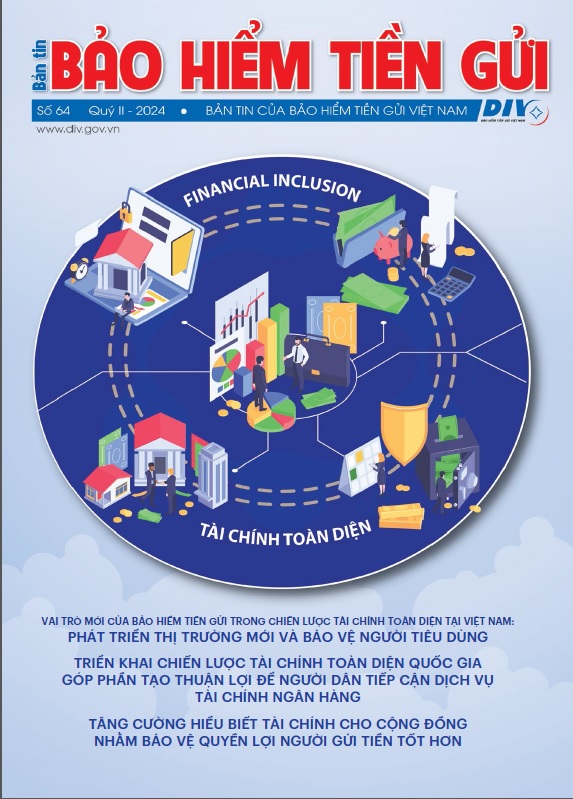
Bản tin Bảo hiểm tiền gửi số 64 Quý II năm 2024
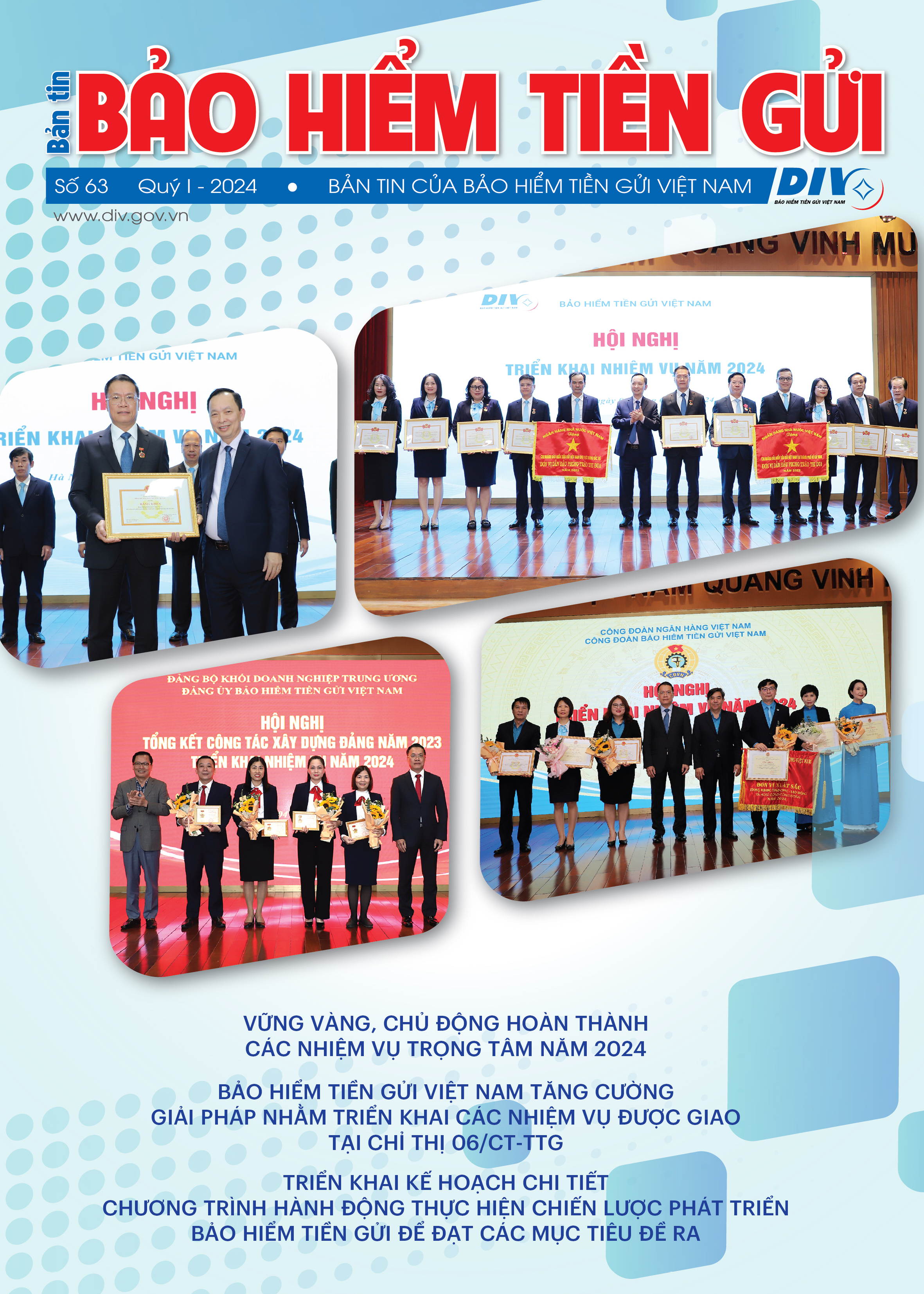
	Bản tin Bảo hiểm tiền gửi số 63 Quý I năm 2024
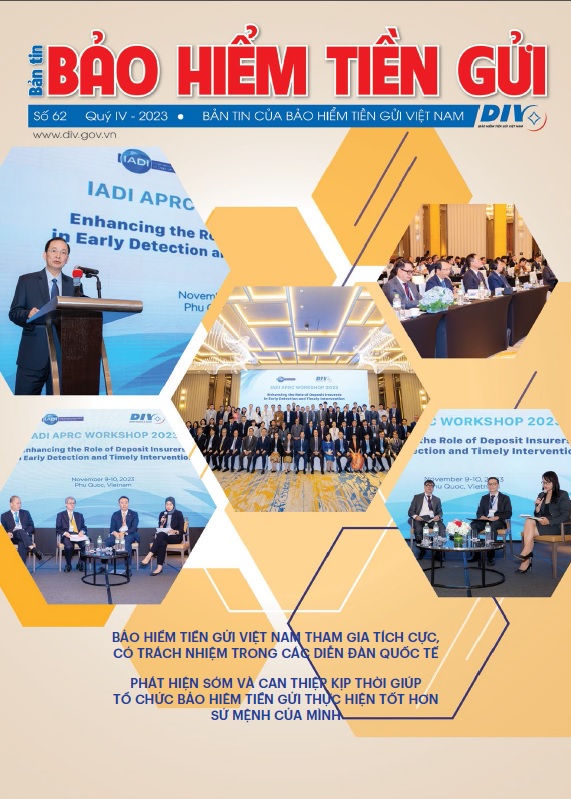
Bản tin Bảo hiểm tiền gửi số 62 Quý IV năm 2023
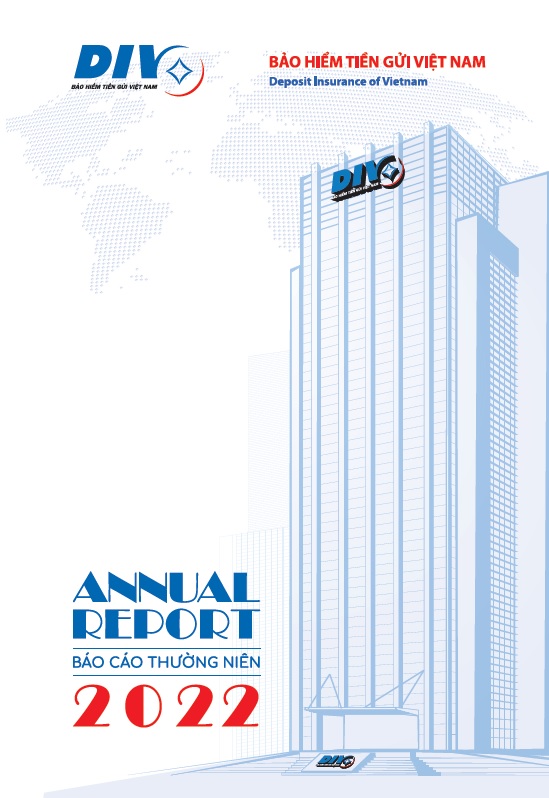
Annual Report 2022
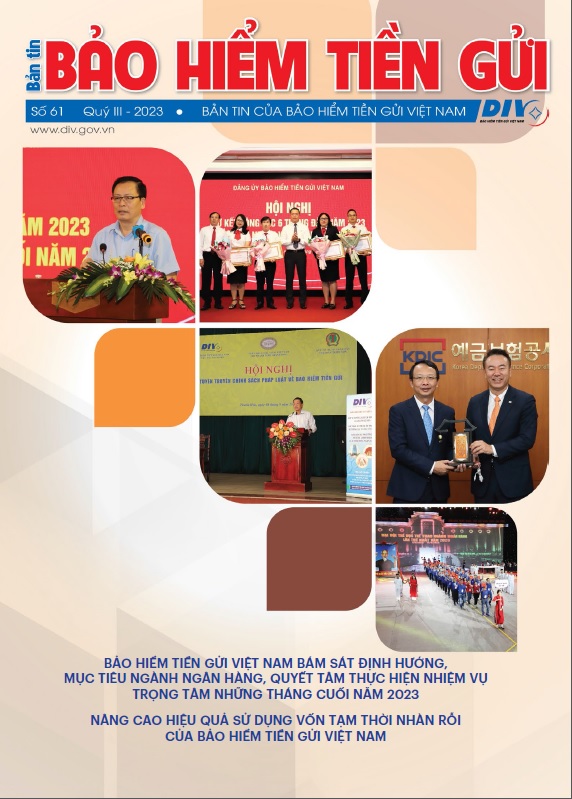
Bản tin Bảo hiểm tiền gửi  số 61 Quý III năm 2023
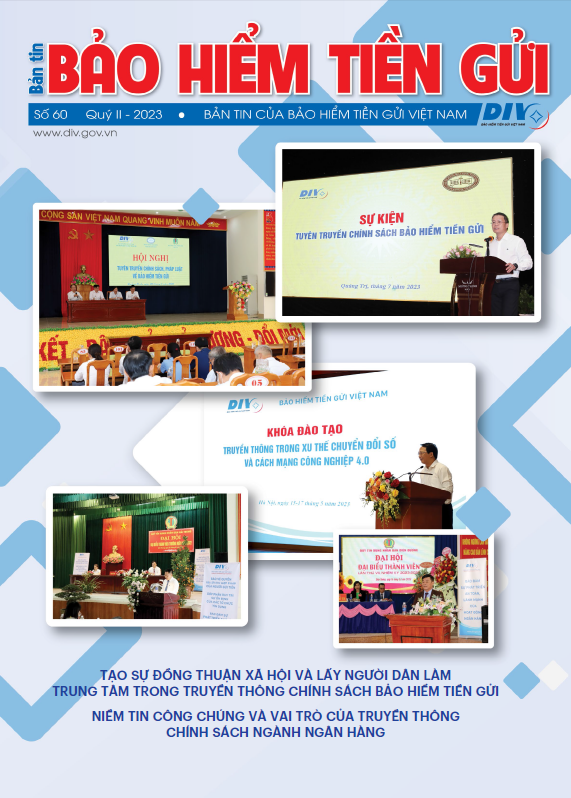
 Bản tin Bảo hiểm tiền gửi  số 60 Quý II năm 2023
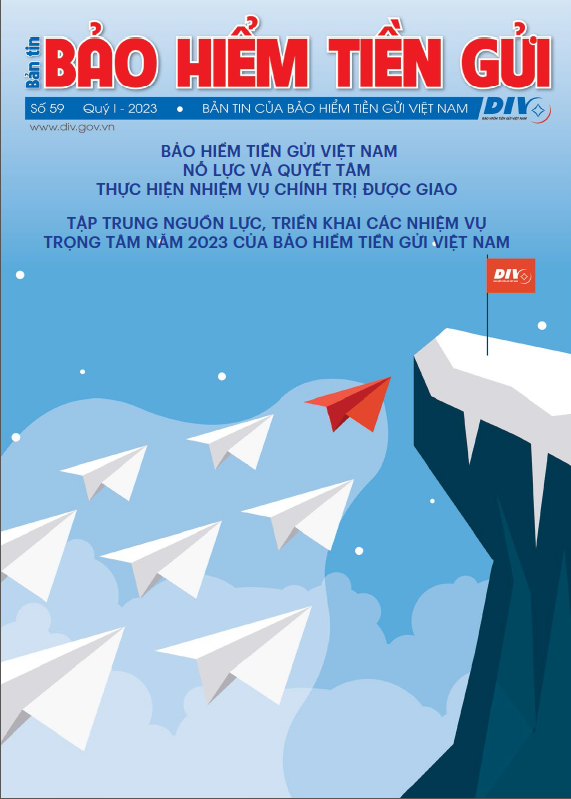
Bản tin Bảo hiểm tiền gửi  số 59 Quý I năm 2023
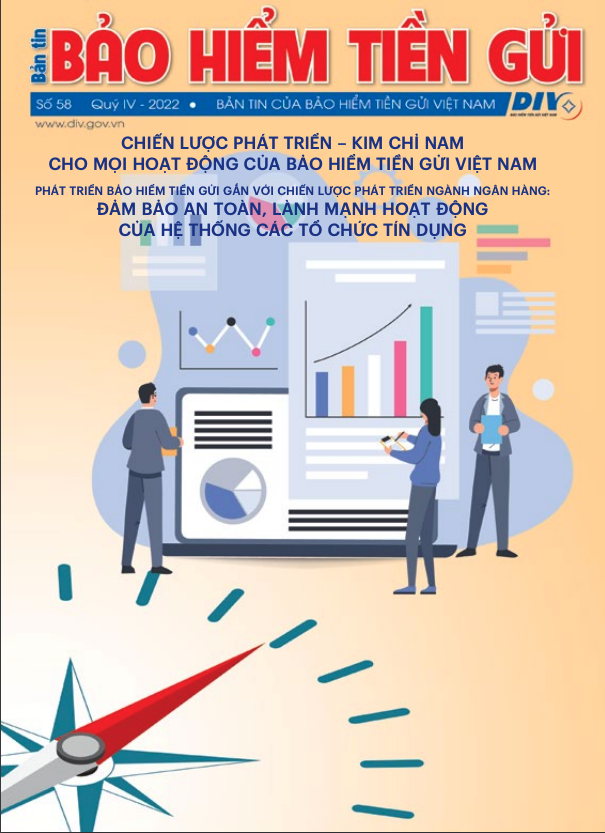
Bản tin bảo hiểm tiền gửi số 58 - Quý IV năm 2022
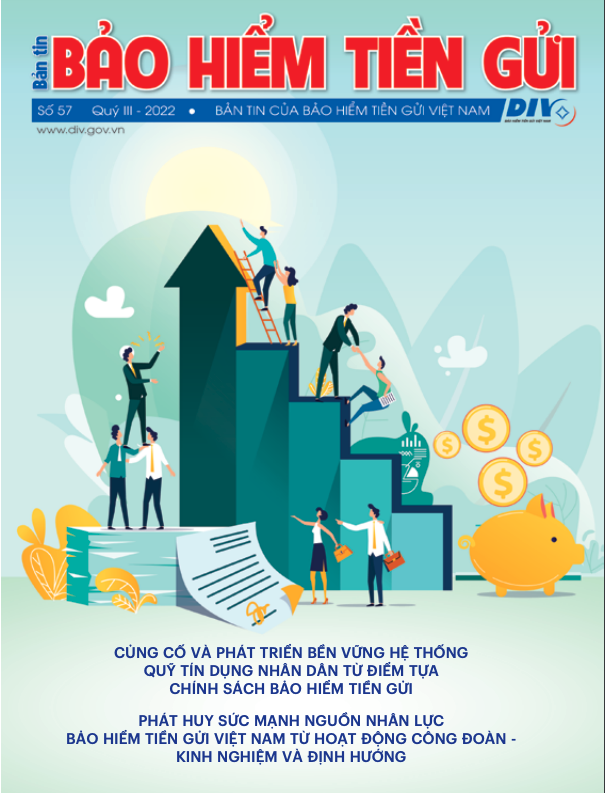
Bản tin bảo hiểm tiền gửi số 57 - Quý III năm 2022
Bản tin bảo hiểm tiền gửi số 56 - Quý II năm 2022

Chịu trách nhiệm nội dung website: ThS. Đặng Duy Cường

©Bản quyền 2022 được bảo lưu bởi Bảo hiểm tiền gửi Việt Nam

Lô D20, đường Tôn Thất Thuyết, phường Cầu Giấy, TP. Hà Nội.
(84-24)3974 2886
banbientap@div.gov.vn
  • Giới thiệu
    • Thông điệp của Chủ tịch Hội đồng quản trị Bảo hiểm tiền gửi Việt Nam
    • Tổng quan về BHTGVN
    • Chức năng, quyền và nghĩa vụ của Bảo hiểm tiền gửi Việt Nam
    • Cơ cấu tổ chức
      • Ban lãnh đạo qua các thời kỳ
      • Ban lãnh đạo hiện nay
      • Sơ đồ tổ chức
      • Mạng lưới BHTGVN
  • Dành cho người gửi tiền
    • Quyền và nghĩa vụ của người được bảo hiểm tiền gửi
    • Mẫu chứng nhận tham gia bảo hiểm tiền gửi
    • Danh sách tổ chức tham gia BHTG
    • Thủ tục trả tiền bảo hiểm
  • Dành cho tổ chức tham gia BHTG
    • Biểu tượng tham gia bảo hiểm tiền gửi (Bản điện tử)
    • Thủ tục tham gia bảo hiểm tiền gửi
    • Quyền và nghĩa vụ của tổ chức tham gia bảo hiểm tiền gửi
    • Hệ thống quản lý thu thập thông tin (ICM)
  • Thư viện
    • Video
    • Văn bản
      • Văn bản pháp luật về BHTG
      • Văn bản liên quan
      • Văn bản do BHTGVN ban hành
  • Thông tin báo chí
  • Ấn phẩm
    • Bản tin bảo hiểm tiền gửi
    • Báo cáo thường niên
    • Ấn phẩm khác
  • Liên hệ